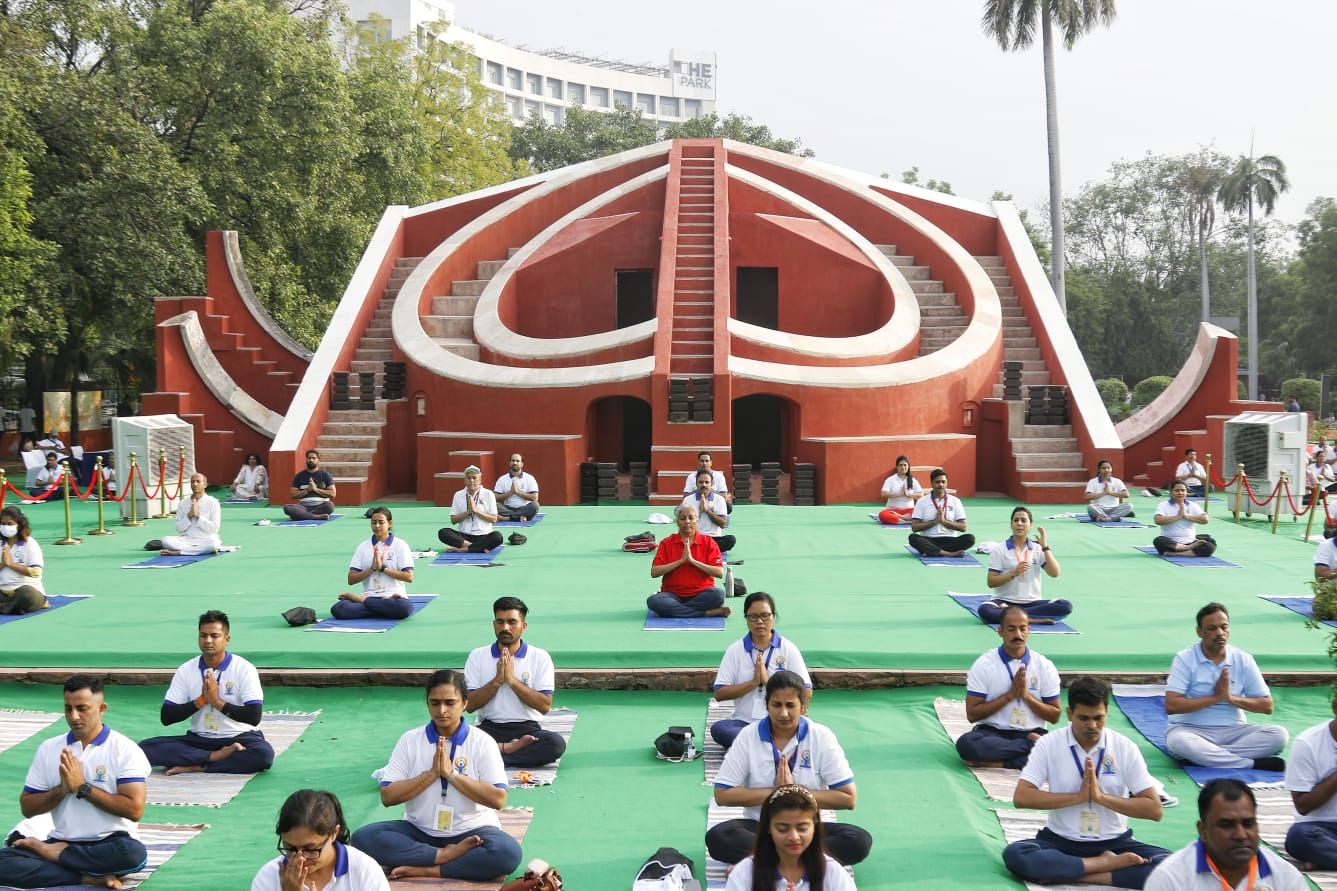
At a time when humankind is going through an unprecedented crisis and facing existential threats in the form of virus attacks, pandemics and rising menial illness; it becomes pertinent to analyse why Yoga Day is important for us – not only to survive but to maintain peace, health and wellbeing.
We all know that India and the world celebrated Yoga Day today (June 21) but what is Yoga? Many think Yoga is a form of physical exercise, or a combination of body-bending techniques aligned with breathing. The other kind think it is a form of meditation. The Mahopanishad has the perfect answer. The epitome of Indian wisdom (Upnishad) describes Yoga as, “manaḥpraśamanopāyo yoga ityabhidhīyate” which means “the recourse to pacify the mind is called Yoga.” It is, therefore, clear that Yoga is neither only a form of physical exercise nor a breathing technique. It does not merely limit to the meditational techniques also but a combination of all. We can say Yoga starts with our body (the physical form of our existence) but goes on to harmonize the mind and soul (the invisible part of our existence).
Now let us see how Yoga works on humankind if practised with patience and persistence. Four basic tenets of Yoga:
- Yogasastra believe human body is a holistic entity comprised of various interrelated dimensions inseparable from one another and the health or illness of any one dimension affects the other dimensions
- Individuals and their needs are unique and therefore must be approached in a way that acknowledges this individuality and their practice must be tailored accordingly
- Yoga is self-empowering. The practitioner is his or her own healer. Yoga engages the practitioner in the healing process by playing an active role in their journey toward health. The healing comes from within, instead of from an outside source and a greater sense of autonomy is achieved.
- According to Yogasastra, the state of an individual’s mind is crucial in learning or healing or achieving goals through Yoga. When the individual has a positive state of mind – healing happens more quickly whereas if the state of mind is negative healing may be prolonged
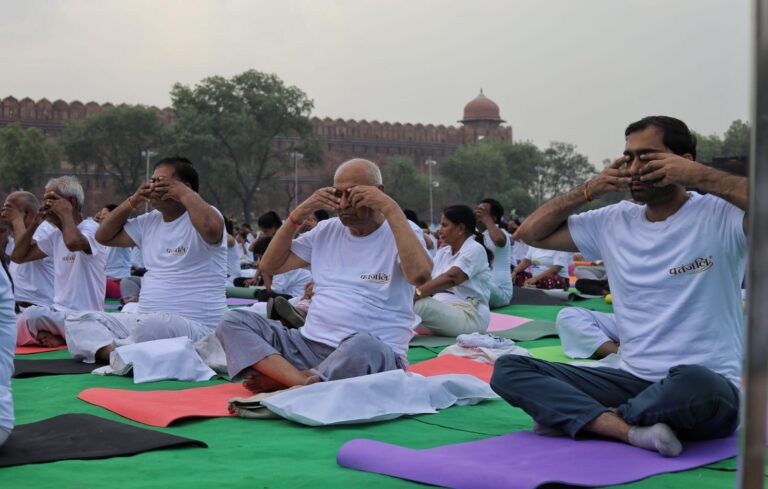
Numerous studies have shown that Yoga is very useful in reducing mental stress, in curing anxiety-depression and many mental illnesses caused by the modern-day lifestyle. Apart from traditional Yoga, therapeutic Yoga has been designed to tackle the issues related to mental health. Results show that regular practices of Yoga does wonder such as:
- Enhances muscular strength and body flexibility promote and improve respiratory and cardiovascular function
- Helps in recovering from and treatment of addiction, chronic pain
- Improve sleep patterns and enhance overall well-being and quality of life
- Helps in striking a balance between the mind and body can be achieved
Maharashi Patanjali who is believed to be the author and compiler of Yogasutras emphasized that the ultimate purpose of Yoga which is nirvana (salvation) cannot be attained unless eight limbs of yoga are not run through. Therefore, it is important to know what the Eight limbs of Yoga are. Patanjalisutra describes Eight limbs of Yoga as below :
- Ahimsa (non-violence)
- Satya (truthfulness)
- Asteya (non-stealing)
- Brahmacharya (abstinence)
- Aparigraha (non-hoarding)
- Saucha (cleanliness)
- Santosha (contentment)
- Tapas (heat)
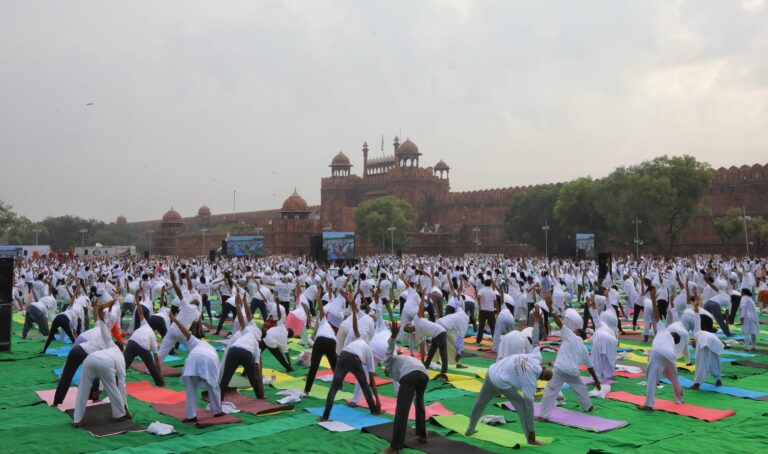
Jainism and Buddhism lay stress on some of the above-mentioned limbs, it is only Patanjalisutra which says all eight are equally important to reach to the zenith of Yoga. Revolutionary monk, Swami Vivekananda had spelt out the four pathways Raja-yoga, Karma-yoga, Jnana-yoga and Bhakti-yoga — of attaining moksha summarised Yoga in following words. “Through practice comes Yoga, through Yoga comes knowledge, through knowledge love, and through love bliss.”